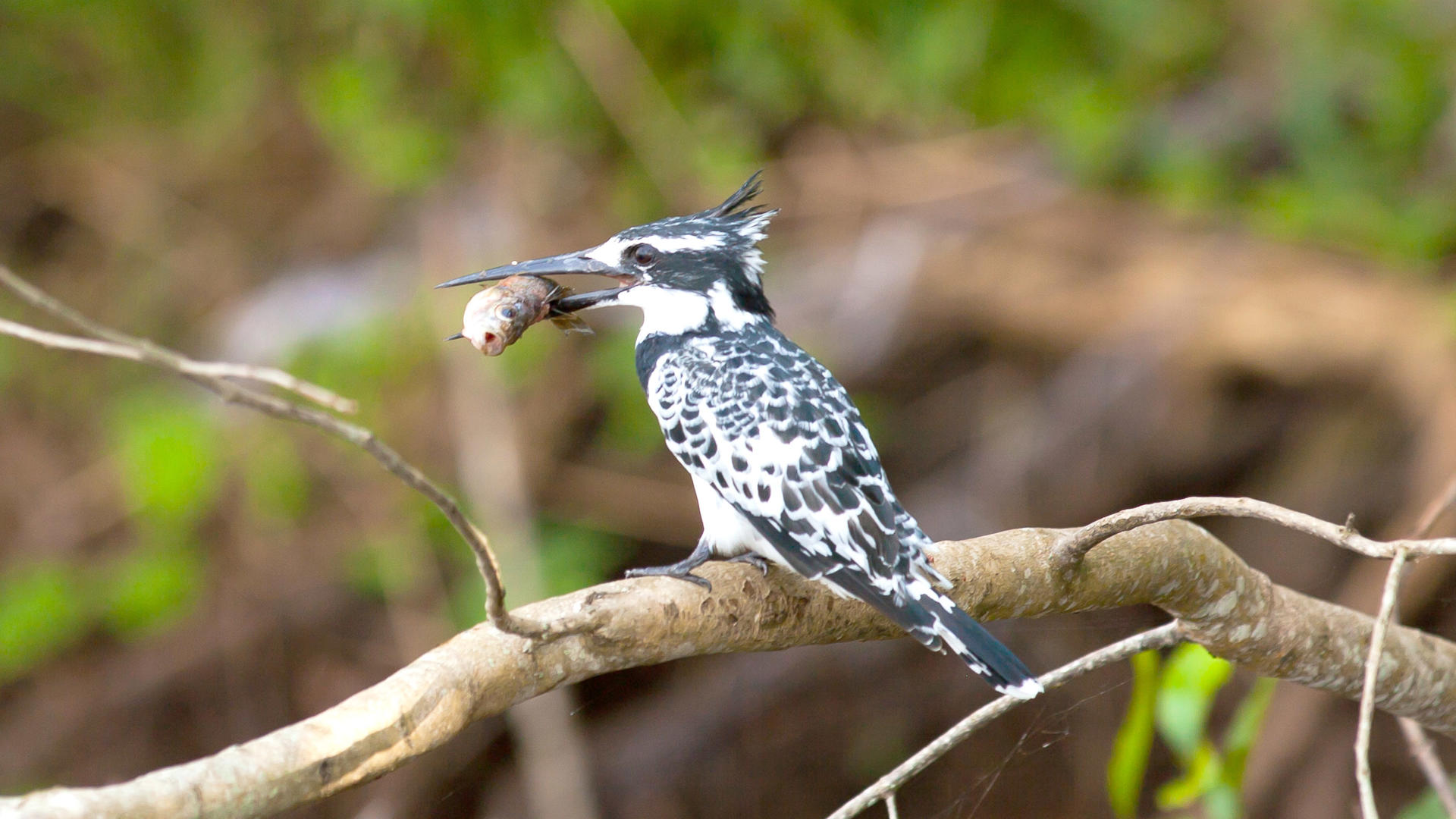
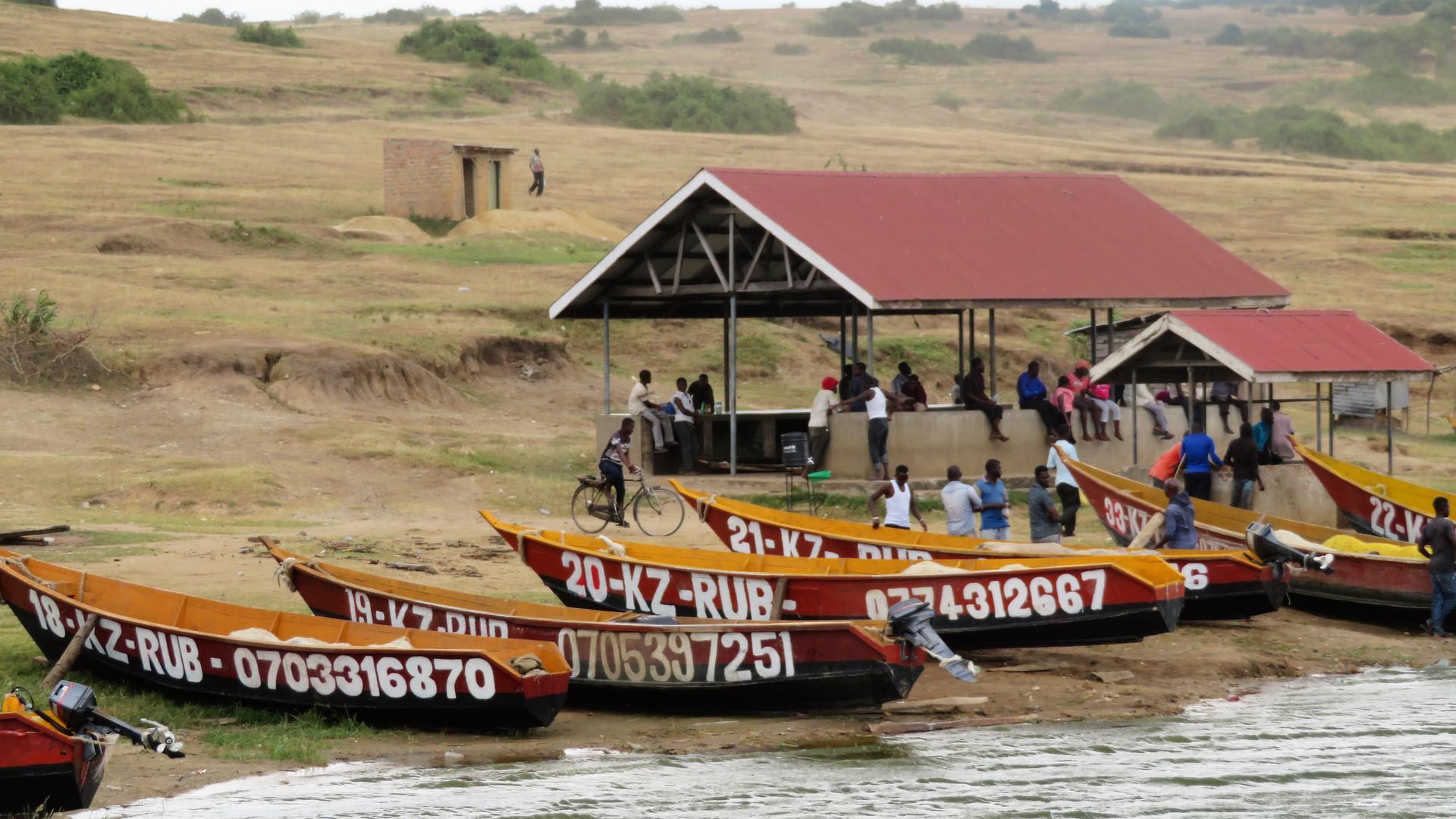
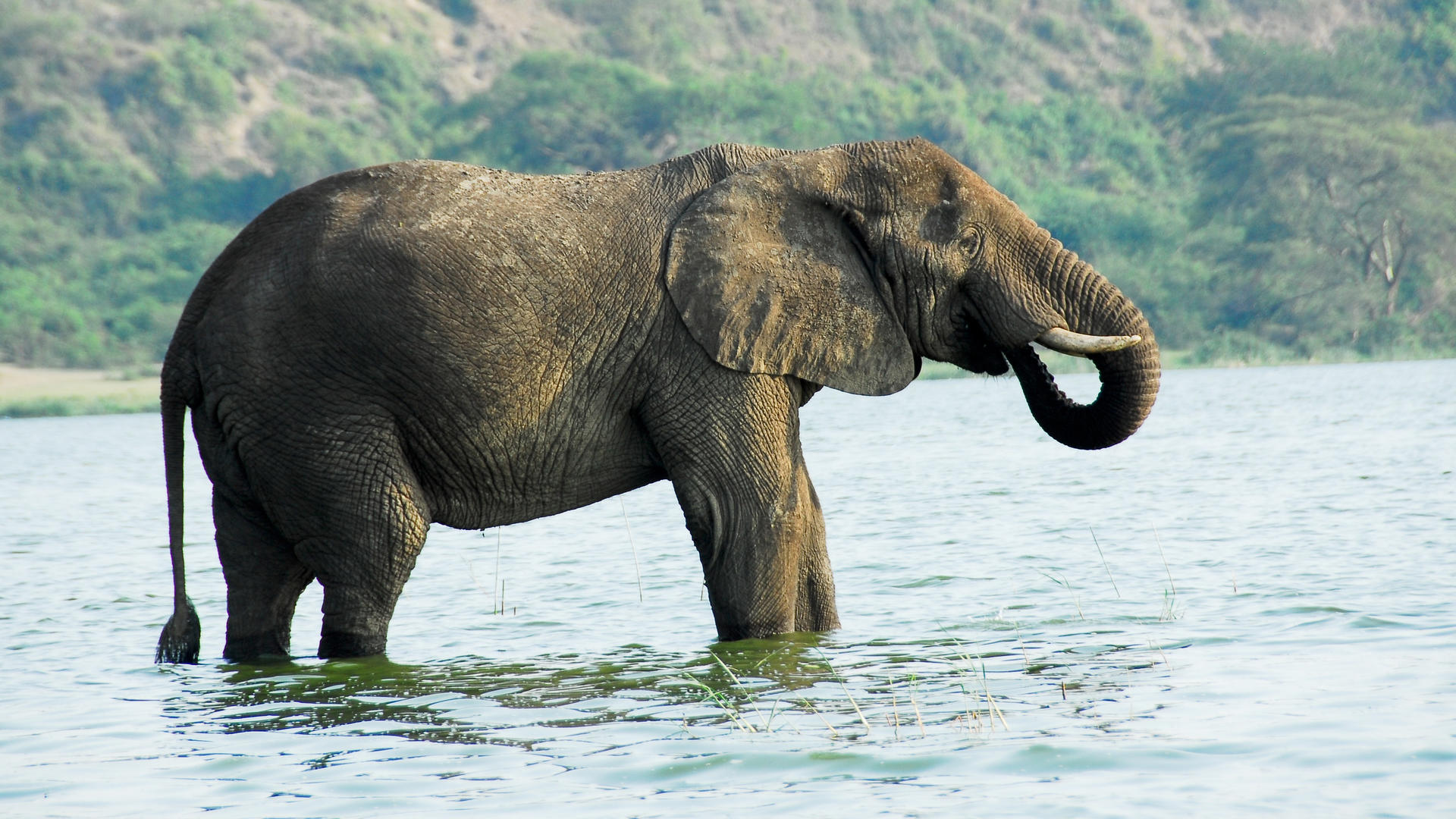
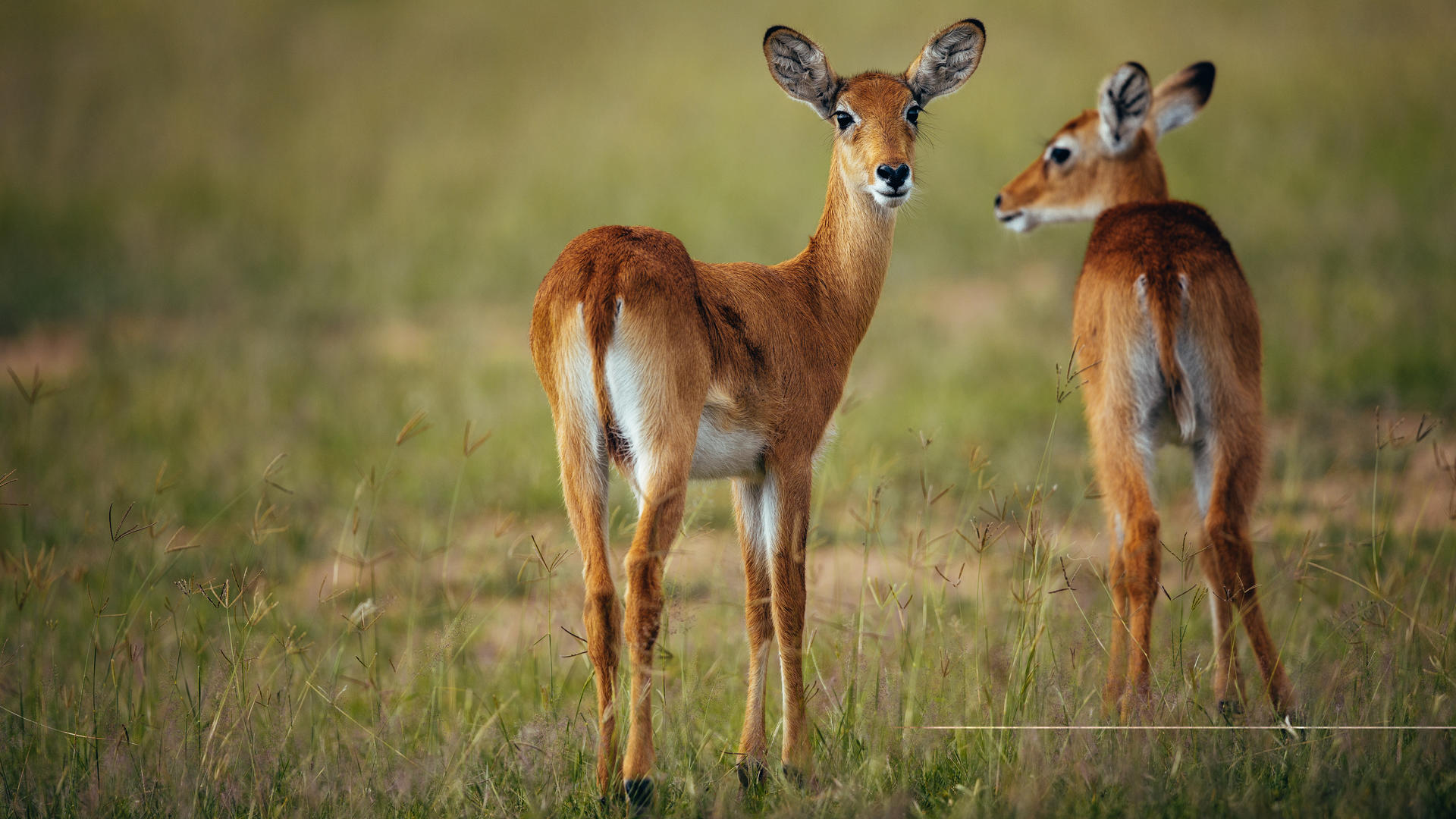
Uganda is a stunning country, home to some of the friendliest people you’ll ever meet. Its landscapes are as diverse as they are breathtaking — from the snow-capped Rwenzori Mountains to the vast waters of Lake Victoria.
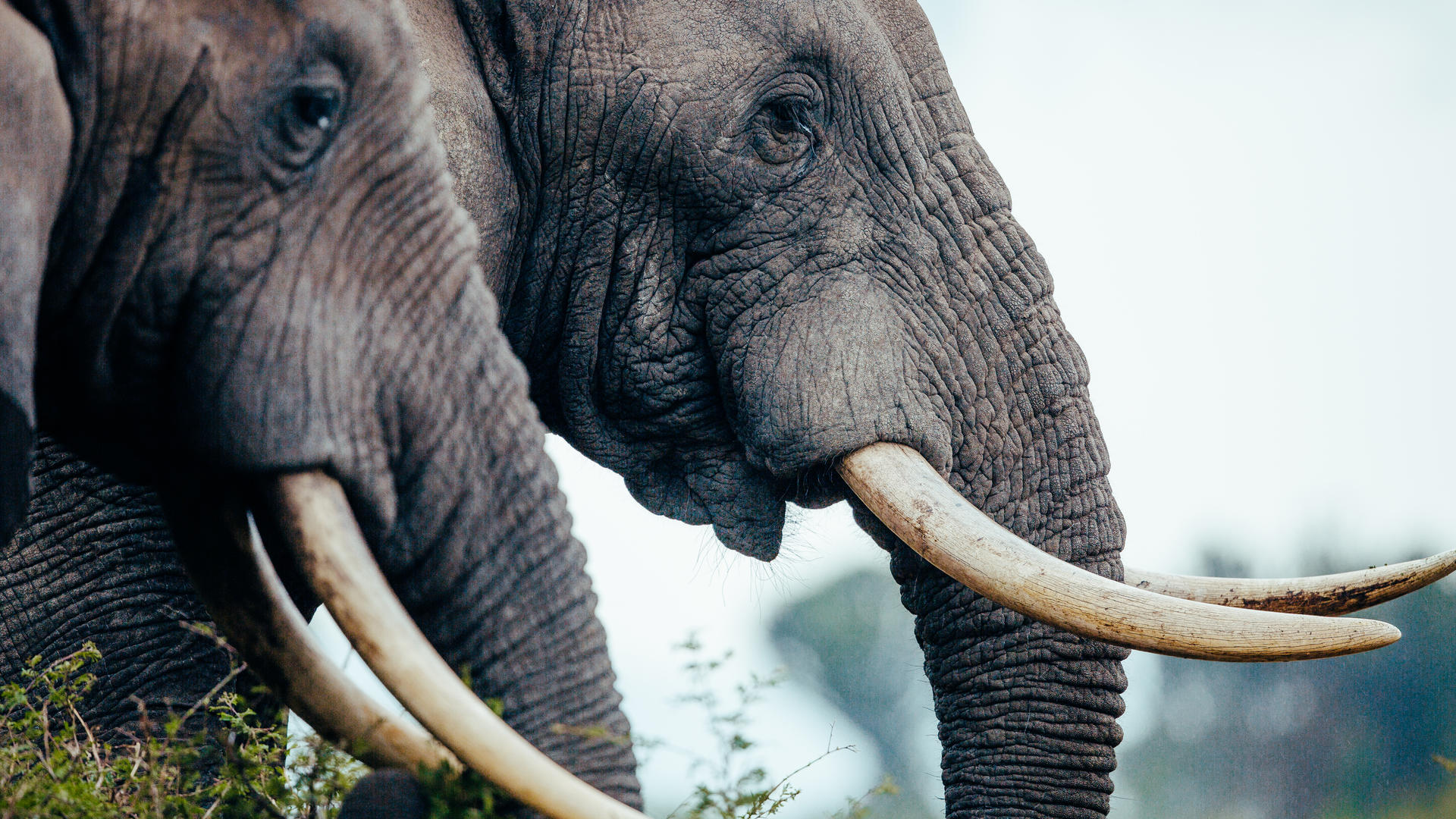
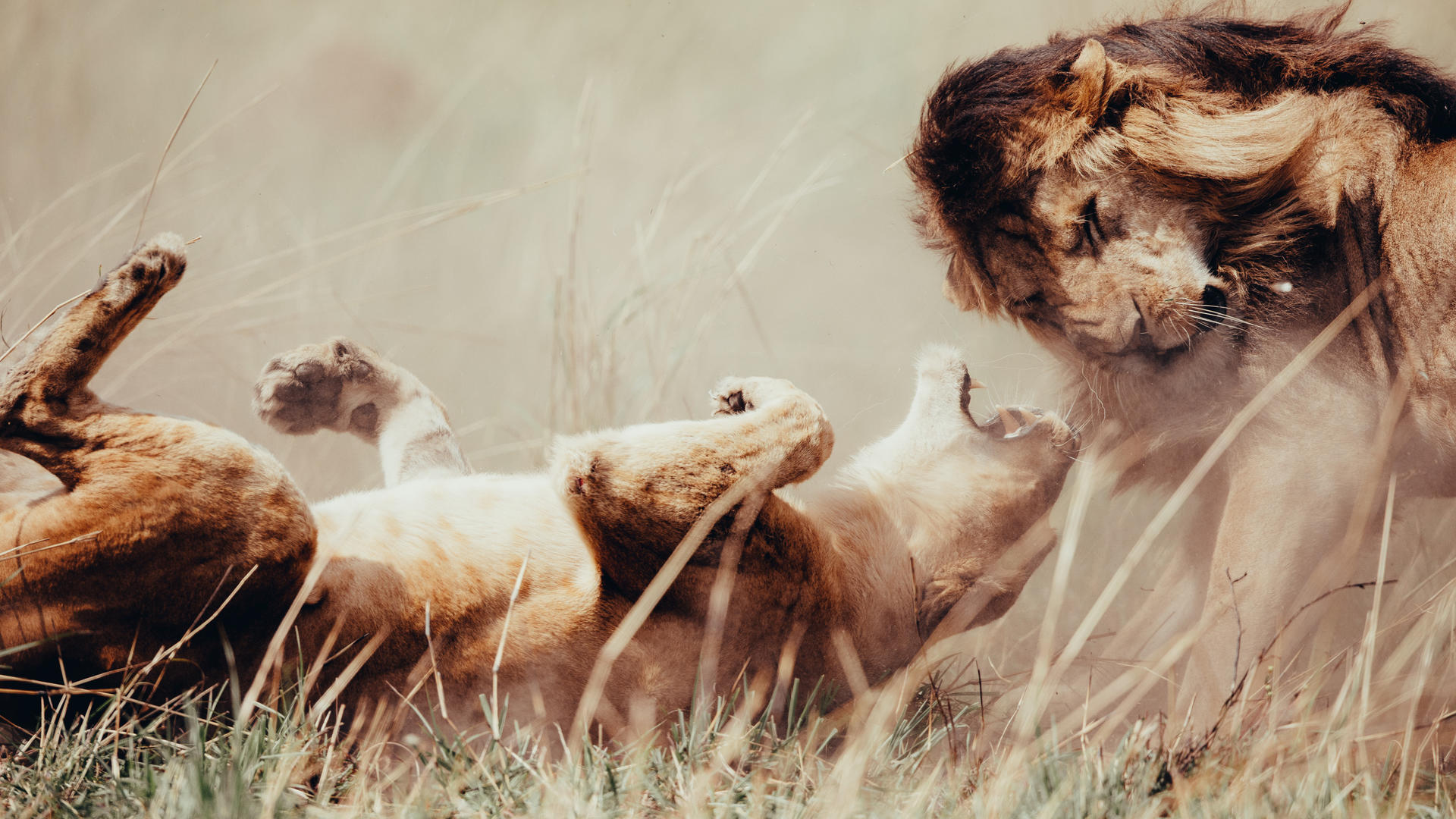
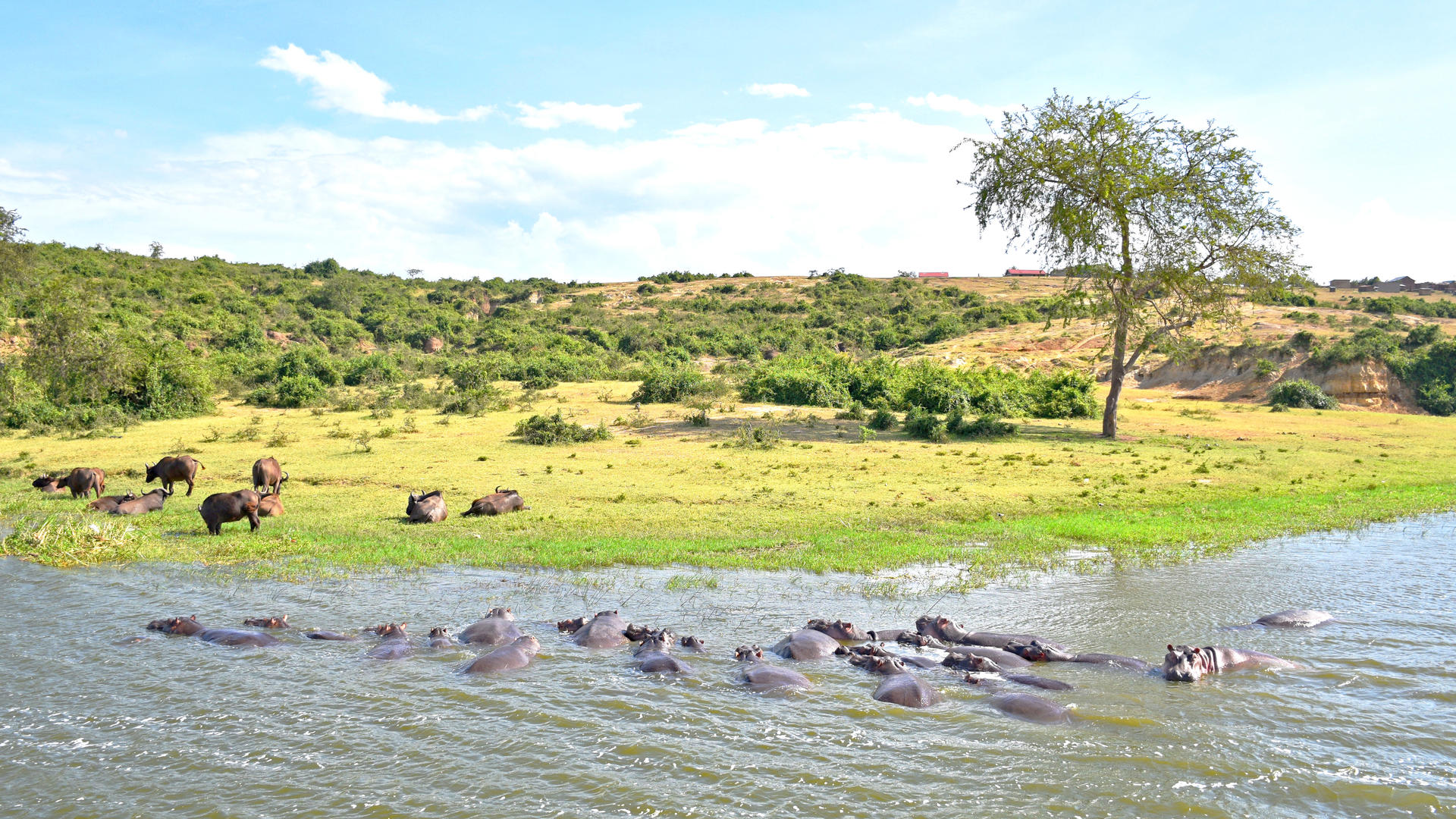
Wildlife lovers are in for a treat, with the BIG FIVE, mountain gorillas, chimpanzees, and a host of rare birds. The remote Bwindi Impenetrable National Park is famous for its gorillas, while Murchison Falls National Park in the northwest boasts a dramatic 43-meter waterfall and wildlife, including playful hippos.
Destination
Entebbe
Day 1 - 2
Located on the shores of Lake Victoria, Entebbe lies 40 km south of Kampala, Uganda's bustling capital. As the country’s primary gateway, it serves as both a peaceful retreat and a starting point for exploring Uganda's natural wonders. The city sits in a lush landscape, with sprawling green spaces and a shoreline dotted with fishing villages. The Entebbe Botanical Gardens, established in 1898, showcase a wide variety of plant species, from indigenous tropical forest to cultivated horticultural displays. The gardens are home to a diverse bird population, including the palm nut vulture and giant kingfisher, and provide a haven for primates like the black-and-white colobus. A short trip west leads to the Mabamba Swamp, a Ramsar Wetland, where visitors can explore by dugout canoe in search of the rare shoebill stork. Lake Victoria itself invites fishing, leisurely cruises, and excursions to Ngamba Island, a sanctuary for orphaned chimpanzees, where visitors can observe the chimps roaming freely across 40 hectares of forested land.
Experiences
Day 1
The Guineafowl • Entebbe
Day Notes
On arrival at Entebbe Airport, one of our friendly guides will be there to greet you and whisk you away to your guesthouse. Check in, get comfortable, and enjoy dinner — consider it your first taste of Uganda and a gentle start to the adventure ahead.
Destination
Murchison Falls National Park
Day 2 - 4
Stretching from the shores of Lake Albert, Murchison Falls National Park is Uganda's largest National Park. The Nile River flows through the middle of the park creating the impressive Murchison Falls which is the park’s major attraction. The landscape features dense rain-forest, undulating Savannah and a diversity of abundant wildlife. Visitors can enjoy prime game-viewing along the Buligi Circuit. The forests are home to numerous primates, including Chimpanzees, and near the river, buffalo, elephants and Rothschild-Giraffes can be seen. Other commonly spotted wildlife include: lions, antelope, water-bucks, hippos and crocodiles.
Experiences
Day 2
Murchison River Lodge • Murchison Falls National Park
Day Notes
After breakfast, it’s time to kick off your adventure! Your first stop is Ziwa Rhino Sanctuary, home to the majestic white rhinos. Here, a ranger will give you a quick briefing before you set off on on-foot rhino trekking — a chance to get up close to these gentle giants.
After lunch, the journey continues to Murchison Falls National Park, where even more wildlife and adventure await.
Day 3
Day Notes
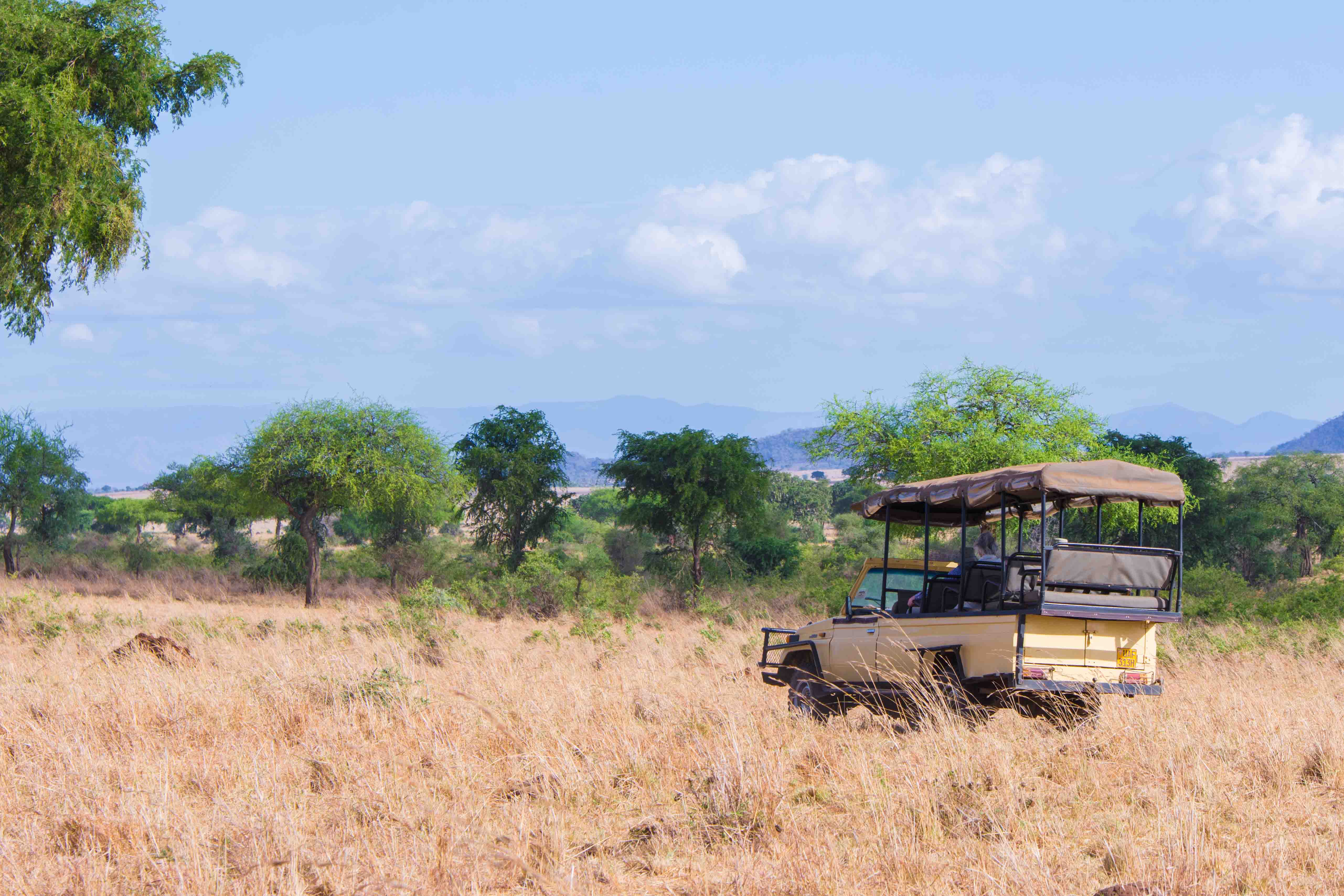
The day starts early — 6am alarm, 7am you’re off on a morning game drive through the park. Keep your eyes peeled, because the animals are just waking up and showing off their best moves. After the drive, head back to the lodge for a well-deserved lunch.
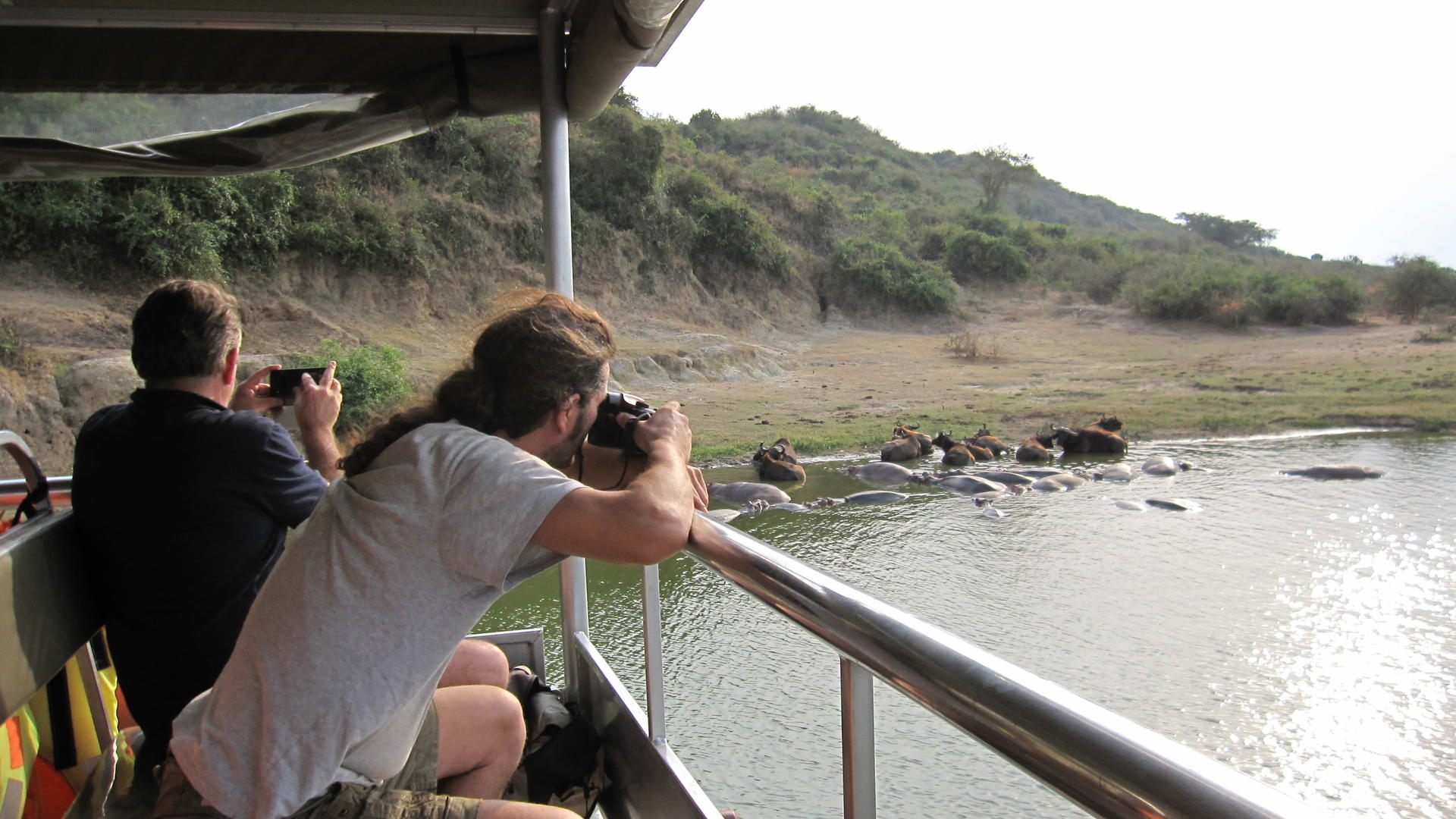
At 2pm, it’s time for a boat trip on the Nile to the base of Murchison Falls. This three-hour cruise is packed with wildlife sightings — from lounging hippos and grazing buffalo to sunbathing crocodiles, and maybe even a wandering elephant or two.
For those feeling adventurous and in good shape, there’s the option to hike from the bottom of the waterfall to the top. It’s steep, slippery, and a real workout, but the views are worth every careful step.
After your boat trip (and hike, if you dared), it’s time to relax and enjoy dinner back at the lodge, swapping stories about the day’s wildlife encounters.
Destination
Ndali Kasenda Crater Lakes
Day 4 - 6
Imposing cone-shaped hills cradle tranquil calderas in the enchanting Ndali-Kasenda Crater Lakes in Western Uganda near Kibale Forest and Queen Elizabeth National Parks. Formed about 8-10,000 years ago by volcanic activity, these craters now hold a variety of lakes. Some boast clear, blue water, while others remain emerald green with a sulfuric odour due to residual volcanic gases. Lush vegetation cloaks the crater rims, offering views of nearby hills, tea plantations, and even the Rwenzori Mountains on clear days. While some lakes are safe for swimming, others contain toxic water and should be avoided. Activities around the lakes include nature walks, boat rides, bird-watching and visiting the "Top of the World" viewpoint for panoramic vistas.
Experiences
Day 4
Isunga Lodge • Ndali Kasenda Crater Lakes
Day Notes
Today, your journey takes you to Kibale National Park — a 6 to 8-hour drive from Murchison. The trip is long, but far from boring. Watch the scenery change as rolling hills and mountains slowly give way to the lush greenery of the tea plantations around Fort Portal.
By the end of the day, you’ll arrive at your lodge with time to relax, unwind, and soak in the peaceful surroundings before the forest adventures begin.
Day 5
Day Notes
It’s time to track the chimpanzees in Kibale National Park! Your morning starts at the park rangers’ post for a quick briefing — think of it as your “chimp mission prep.” Then, the trek begins through the lush rain-forest. The walk can be a bit challenging, so make sure your shoes are sturdy and a poncho handy, just in case the forest decides to sprinkle a little adventure your way.
Keep your ears open and move quietly — the rangers are experts at finding the chimps, so the odds are in your favour for some unforgettable primate encounters. After the trek, take some time to relax in the resort garden, or if you’re still feeling energetic, head up to “Top of the World” for breathtaking views of the area, including several crater lakes.
After lunch, the adventure continues with a walk through the Bigodi Swamp, where you’ll spot colourful birds and maybe even a few playful monkeys along the way.
Destination
Queen Elizabeth National Park
Day 6 - 8
Located in southwestern Uganda, the Queen Elizabeth National Park is one of the county’s most popular parks. Volcanic craters, grassy plains, tropical forest and giant lakes connected by a channel inhabited by abundant hippos, are what you will see at the Queen Elizabeth National Park. The park has almost 100 types of mammal and 606 different bird species, including the peculiar shoe-bill. The Kasinga Channel alone is said to contain the world's largest concentration of hippos, and other wildlife includes buffalo, the rare aquatic sitatunga antelope, giant forest hog, Uganda kob, Defassa water-buck and elephant. Don't miss the Kyambura Gorge, which is home to habituated chimpanzees.
Experiences
Day 6
Twin Lakes Safari Lodge • Queen Elizabeth National Park
Day Notes
Today, you leave the rain-forest behind and make your way to Queen Elizabeth National Park. Along the route, enjoy views of the Rwenzori Mountains rising along the Congo border — a dramatic backdrop for your journey.
Once you arrive at the park, check in at your lodge, where there’s a good chance that some curious wildlife might make an early appearance. Later, set off on a boat trip along the Kazinga Channel, a watery highway connecting two lakes and teeming with animals, especially a dazzling variety of waterfowl.
After your cruise, there’s time to relax at the lodge, unwind, and swap stories before dinner, spending the night just outside the park boundary.
Day 7
Day Notes
Today promises plenty of excitement! Start the morning with a game drive, keeping your eyes peeled for predators on the prowl and all kinds of wildlife showing off their best moves.
In the afternoon, continue exploring the park, discovering hidden corners, spotting more animals, and soaking in the beauty of Queen Elizabeth National Park from every angle.
Destination
Bwindi Impenetrable Forest National Park
Day 8 - 10
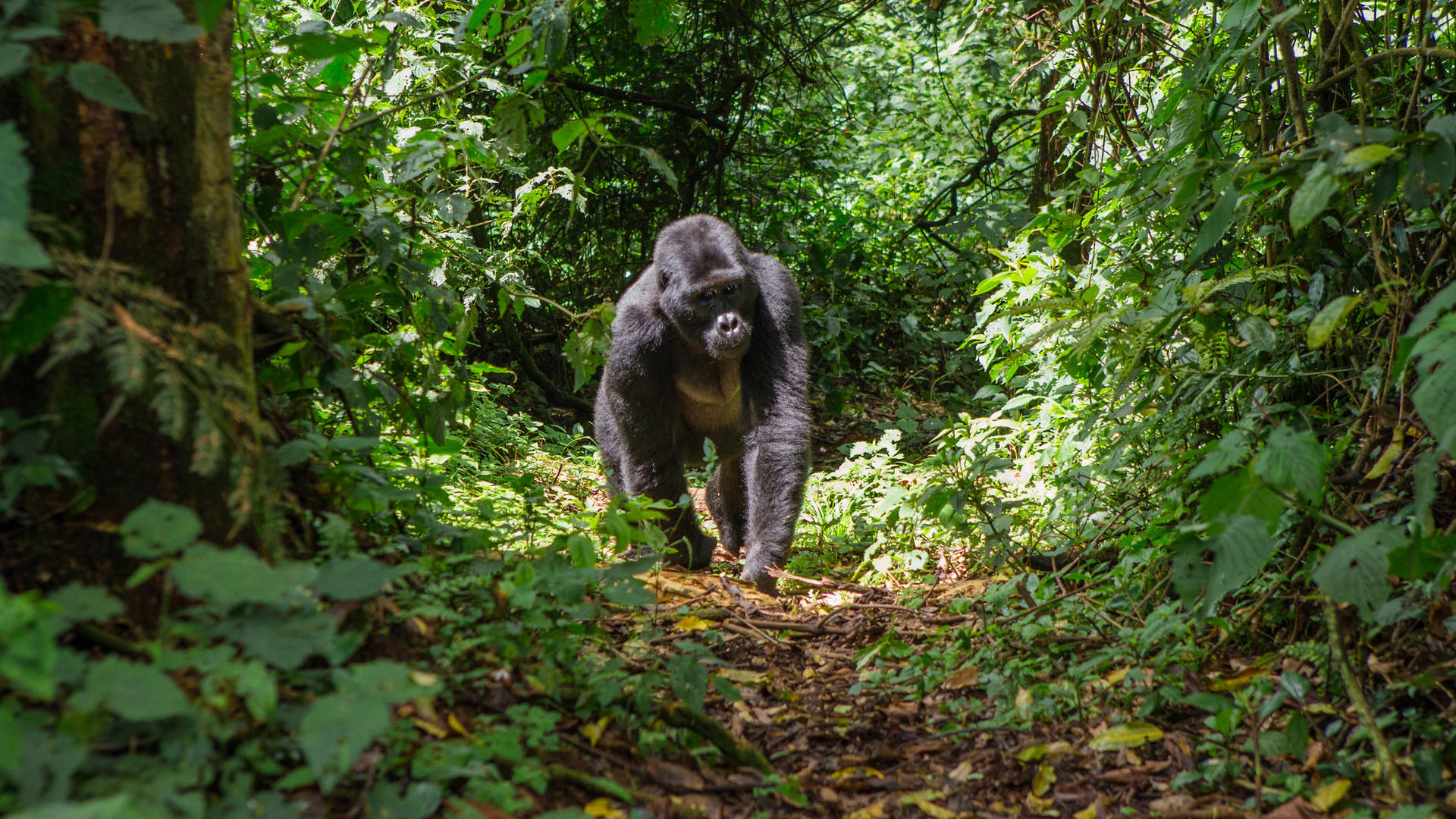
Located in southwestern Uganda, the Bwindi Impenetrable National Park is said to be Africa’s oldest rain-forest. It is world-renowned for its excellent gorilla-sighting opportunities - the forest is home to half of the remaining mountain gorillas on earth. This gorilla experience takes place among a rugged landscape of dense jungle, cascading waterfalls, sparkling mountain streams, deep valleys, and steep ridges. The untouched forest has been declared a UNESCO World Heritage Site for its breathtaking natural beauty and unique ecological significance. Aside from the amazing gorilla interactions, there are other draw-cards such as a network of forest walks, over 340 species of bird to spot, and a variety of brightly-coloured butterflies to identify.
Experiences
Day 8
Bweza Gorilla Lodge • Bwindi Impenetrable Forest National Park
Day Notes
With an early breakfast — or a packed one if you’re feeling adventurous — the day begins with a morning game drive in the Ishasha sector. Keep your eyes open for the famous tree-climbing lions and a host of other wildlife showing off their moves.
After the game drive, it’s time to hit the road to Bwindi Impenetrable Forest National Park, with a stop for lunch along the way before arriving at your lodge to relax and get ready for the gorilla adventure ahead.
Day 9
Day Notes
Today is all about gorilla trekking. After breakfast, head to the Rangers’ post for a quick briefing — think of it as your “gorilla mission prep.” Then, the adventure begins: tracking the mountain gorillas through the lush, mountainous terrain. Depending on where the gorilla family is, the trek can take several hours, so make sure your walking shoes are sturdy — the journey is as stunning as the destination.
After this once-in-a-lifetime experience, there’s time to relax at the lodge, explore the camp, and snap some unforgettable photos.
Optional: If you return early from the trek, you can choose to visit a local cultural village, adding a touch of community life to your day of wildlife adventure.
Expert Tips
When you are with the gorillas:
A 7 meter (21 feet) distance should tried to be observed at all times from the gorillas. The further back you are, the more relaxed the group will be.
You must stay in tight group whey you are near the gorillas.
Keep your voices down at all times. However, it is okay to ask the guide questions.
Do not smoke, drink or eat when you are near the gorillas. Eating or drinking inevitably will increase the risk of food/drink morsels/droplets falling, which could increase the risk of transmission of diseases.
Sometimes the gorillas charge. Follow the guides example (crouch down slowly, do not look the gorillas directly in the eyes and wait for the animals to pass). Do not attempt to run away because that will increase the risk.
Flash photography is not permitted! When taking pictures move slowly and carefully.
Do not touch the gorillas. They are wild animals.
The maximum time you can spend with the gorillas is one hour. However, if the gorillas become agitated or nervous, the guide will finish the visit early.
After the visit keep your voices down until you are 200 meters away from the gorillas.
General health rules:
Remember that mountain gorillas are very susceptible to human diseases. The following rules are ways to minimise the risk your visit might poses to them:
Respect the limits imposed on the number of visitors allowed with the gorillas each day. This minimises the risk of disease transmission and stress to the group.
If you are feeling ill, or you are carrying a contagious disease, volunteer to stay behind. An alternate visit will be arranged for you, or you will be refunded your money.
If you feel the urge to cough or sneeze when you are near the gorillas, please turn your head away and cover your nose and mouth in order to minimise the spread of bacteria or viruses.
Always stay 7 meters (21 feet) away from the gorillas. This is to protect them from catching human diseases.
Do not leave any rubbish (eg. food wrappers) in the park; foreign items can harbour diseases or other contaminants.
If you need to go to the toilet while in the forest, please ask the guide to dig you a hole with his panga. Make sure the hole is 30 cm deep and fill it in when you are finished.
What to bring on your Gorilla Safari:
Wear comfortable hiking shoes suitable for steep muddy slopes.
Carry a packed lunch and enough drinking water.
Carry rain gear, sunscreen lotion, a hat (as the weather is unpredictable) and insect repellent.
Destination
Lake Mburo National Park
Day 10 - 12
Situated in southwestern Uganda, Lake Mburo National Park is a compact and easily accessible gem, renowned for its striking biodiversity. Nearly seventy mammal species and more than 300 bird species thrive in its mix of forests, swamps and rolling grasslands. The landscape blends open savanna with rocky ridges, forested gorges and pockets of dense woodland, creating a rich habitat for wildlife. Crocodiles, hippos and abundant water birds gather around the park’s five lakes, with Lake Mburo the largest. Visitors frequently spot impala, oribi, eland, zebra, buffalo, Defassa water-buck, reed-buck, hyena and occasionally leopard. It’s a rewarding destination for travellers seeking varied scenery and accessible wildlife viewing.
Experiences
Day 10
Rwakobo Rock • Lake Mburo National Park
Day Notes
After breakfast in Bwindi, set off on a scenic drive via Lake Bunyonyi to Lake Mburo National Park, with a lunch stop in Mbarara to stretch your legs and refuel.
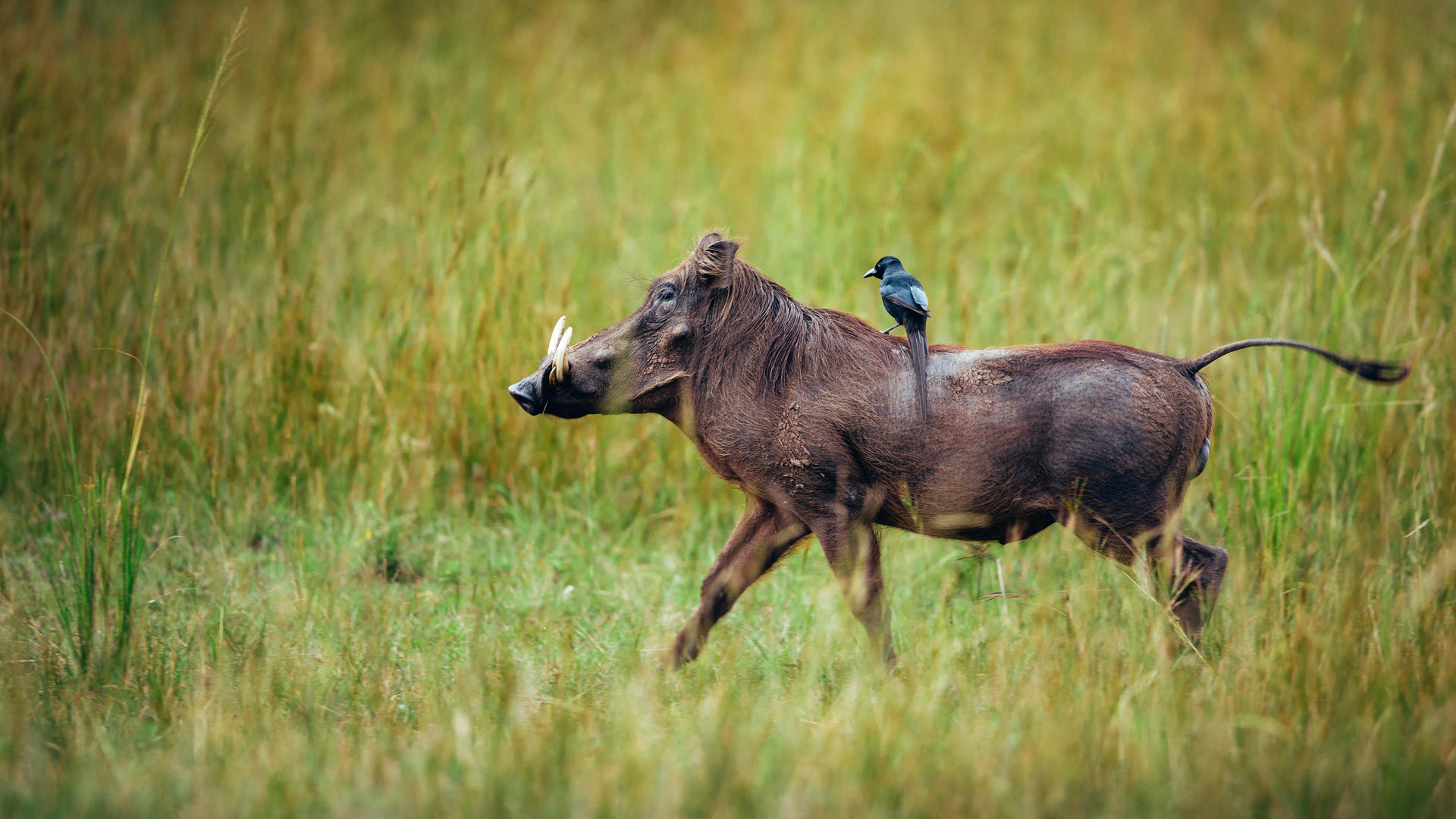
Once you arrive at the park, embark on an afternoon game drive, spotting zebras, impalas, and maybe a playful warthog or two before checking in at your lodge.
Optional: For those still eager for adventure, there’s the chance for an evening game drive from 7:00 pm to 9:30 pm — a perfect way to see the park in a whole new light.
Day 11
Day Notes
After an early breakfast — your last one on safari! — you’ll receive a quick briefing before setting out on your on-foot safari walk through the park. Take your time to spot wildlife, enjoy the sounds of nature, and maybe even catch a cheeky impala or two.
In the afternoon, switch gears for a relaxing boat ride on the lake, gliding past hippos, waterbirds, and the peaceful scenery — the perfect way to soak in the final moments of your adventure.
Day 12
Day Notes
With a fun stop at the Equator Line along the way, you’ll make your way back to Entebbe, where your Ugandan adventure began.
Take a moment to soak it all in, snap a few last photos, and get ready for your flight home — memories (and stories) that will last a lifetime.
Travel Guidance
TRAVEL FACTS - Uganda
Soon we are welcoming you in Uganda, the true pearl of Africa.
To make sure you are well prepared for a lifetime of memories
please read through the information below and get back to us with any open question.
Visa
Everybody who enters Uganda needs a passport which is valid until 6 months after the date of entering the
country. Since July 2016 it is obligatory to apply for a Visa online under www.visas.immigrations.go.ug and
follow the instructions. NOTE: you will need to upload a scan of your passport, yellow fever certificate and a
passport size picture (Supported formats are: PDF, JPEG, PNG, BMP / Minimum file size is 5 KB. Maximum
file size is 250 KB). The application process does not take much time (usually done within one day), however
please apply in time as you will receive a document which has to be shown on arrival to receive the Visa.
In case you intend to also travel to Rwanda or Kenya, we recommend you to get the East African Visa at
once. You also have to apply for it online, the country where you travel first is the one that has to issue that
visa.
Kenya: https://www.kenyaimmigration.org/apply-visa?action=step1
Rwanda: https://www.migration.gov.rw/index.php?id=203
Uganda: www.visas.immigrations.go.ug
PLEASE NOTE THAT VISA REGULATIONS CAN CHANGE ANY TIME – it is your responsibility to seek updated
information before arrival.
Money & credit cards
The local currency is the Uganda Shilling (UGX), however it is also possible to pay with US Dollars (USD). It is
recommended to always have both currencies with you as you will be offered different items in different
currencies (meals, drinks, activities etc.) and the exchange rates of the lodges usually vary a lot than those
from the exchange bureaus (Forex).
In some lodges it is possible to pay with credit cards, however you should always be prepared with enough
cash as it happens that the system is down or the responsible person is not on ground or it simply fails to
work. It is possible to get money from ATMs all over the country, please let your guide know well in advance
if you are in need of cash so that he knows where to turn. In case of emergencies or unexpected
circumstances we have the possibility of doing credit card transfers to our account and hand over the cash
to you (please note that a transaction fee of 6 % will apply).
PLEASE NOTE that US Dollar notes from before 2004 & notes that are torn or with ink marks are not
accepted as means of payment.
Phones & network
Uganda is generally covered with a good network in all areas; however, providers have different coverage
qualities in different parts of the country. You can always ask your guide or in the lodges for their phones if
you are in need or if you want to contact our offices in Kampala. In case you do not want to rely on others
devices you can buy a cheap sim card before leaving Kampala, please ask your guide which provider he
recommends.
PLEASE NOTE if you do international calls you have to dial THREE zeros before the country code, for example
for Germany with the country code +49 it´s 00049 …
Luggage
In general, we recommend to choose soft travel bags instead of hardcover suitcases, as the vehicles have
limited capacities in the trunk so that the bags can be a bit squeezed. Furthermore, please note that it is not
possible to avoid dust getting into the car, which also affects the luggage in the trunk, we usually cover
them with a blanket, so that the dust is not too much.
In case you booked a domestic flight please note that the weight limit is 15 kg in soft bags, inclusive hand
luggage. In case you return to Kampala we can offer to keep some of your things with us at a safe place.
Safety
Uganda is regarded as one of the safest East African countries. Sometimes security might seem very tight
but this is more in terms of prevention than being an actual threat. However please refrain from showcasing
valuables like you would do in every country where the gap of rich and poor is quite big. Furthermore, we
advise you to always follow your guides instructions and advises, as he is in the position of estimating
situations properly. Please also make use of safes which are provided in most of the lodges, theft is rare but
sure it happens as it does everywhere around the world.
Vaccinations
As of today the only compulsory vaccination is yellow fever, please make sure you have your certificate on
arrival at hand. For all other vaccinations we recommend to consult a doctor who is specialized in tropical
medicine. A detailed conversation with a specialist will make it easier for you to decide which vaccinations
or treatments to take. Especially in terms of Malaria this will help you to decide yourself as opinions differ a
lot and we do not want to make any recommendation on this.
Tips
It is normal to give tips to local guides, rangers, hotel staff, waiters, etc. however there is no fix guideline yet
and you should tip as of the performance and as of what you are able to give. A good tip is well appreciated
but it´s not expected.
In case you have anything that you do not need anymore (clothes, shoes, …) it is very well appreciated to
leave those things for the hotel staff.
Electricity
The usual plugs used in Uganda are like the British three pinned plugs (240 V, 50 Hz).
Please note that most lodges and hotels run on generators or solar power and do not provide electricity in
the rooms, or only provide it at limited times. There are usually charging points in the main area that you
can use. If possible we recommend bringing spare batteries for your cameras.
For the ladies: In general, it is not worth it to bring a hairdryer as there is either no plug to use it or the
voltage is too low.
Please note: It can happen that a lodge is not able to provide electricity some days, kindly have sympathy
for the different condition under which those facilities run in Uganda and take it as part of your Africa
experience.
Water
You will find proper running water in all lodges and hotels; however, it is not drinking water quality. Most
lodges provide small bottles of drinking water for brushing your teeth. Furthermore, you cannot expect hot
water at any time – only a few lodges and hotels provide that, all other lodges have different systems of
dealing with hot water, usually you either have set times to take a hot shower or you need to order it before
so that the staff can prepare it for you.
Please note: It can happen that a lodge is not able to provide hot water some days, kindly try to understand
the different condition under which those facilities run in Uganda and take it as part of your Africa
experience.
Meals
The lodges provide western food. In case you want to experience the local kitchen it would be possible to
ask in the lodges for it, but you will only have the full experience trying it in a local restaurant. You can
choose to let us know in advance so that we can include that in our planning and costing or you ask the
guide spontaneously. Additional to local restaurants there is lots of food sold on the streets, it is in general
very safe to eat that food as it is grilled or fried properly – however for those with a sensitive stomach you
might want to have a shot of Ugandan Waragi (local gin) afterwards.
Eating salads and fruits in the lodges is very safe. In case you buy fruits or vegetables en-route you should be
able to peel it or wash it yourself with drinking water.
Internet
Some lodges do offer Wi-Fi; however, the network might be slow or completely down on foggy or rainy
days. Additionally, there are small internet cafés all over the country. If you need to be online on a regular
basis and you have a smartphone, we recommend talking to your guide before leaving Kampala, you can get
your own sim card and buy bundles for getting online. Otherwise please let the guide know well in advance
so that he can approach the right places.
Language
As a multilingual country you can find more than 30 different languages in Uganda. Most of them belong to
the Bantu-, Nilotic- or Central Sudanic family and are actively spoken in the different regions. The most
common language is Luganda. Furthermore, English is an official language and is spoken all over the
country, in the villages it might be difficult to find someone who can speak English fluently, but usually you
will find someone for translations. As another principal language you will find Swahili in many sources, but
please note that this is the language of the military and is not used in the daily life.
Donations
Nature glow view tour & travel supports several chosen projects and NGO´s as much as we can. We prefer to do
donations in kind than handing over a cheque, therefore we usually find out what is needed on the ground
and get those things delivered ourselves (e.g. a bunch of new mosquito nets for an orphanage). In case you
have things like clothes, toys, laptops, or similar please feel free to bring them to Uganda. You can then
choose to either give them to us and we find out where those things are most needed at that moment or
you let us know that you would like to hand it over yourself and we organise it. Kindly note that small
donations in any form to children on the streets are not recommended, as this only supports begging and
keeps those children away from school. Donations should therefore only be done in an organised way or in
form of tips to the hotel/lodge staff. In case you are interested in making a donation in form of money we
are happy to help you to link you up with a good project or NGO.
Furthermore, please note that there is also an organisation who is running a shelter for street dogs and cats
with a small animal hospital. The Uganda Society for protection and care of animals, among others, rescues
street animals and organises forever homes for them. Items like tick collars, medicine and toys are always
needed and donations in form of food can be organised through us.