Kampala/Entebbe: Ngamba Island Chimps Sanctuary Tour

Departure Entebbe, Uganda 1 Days & 4 Nights Group

Tour Details

  • Start Date 03 Mar 2026
  • End Date 11 Apr 2026
  • Duration 1 Days
  • Nights 4 Nights
  • Transport Car
  • Tour Type Group
  • Departure Country Uganda
  • Departure State Central

Tour Overview

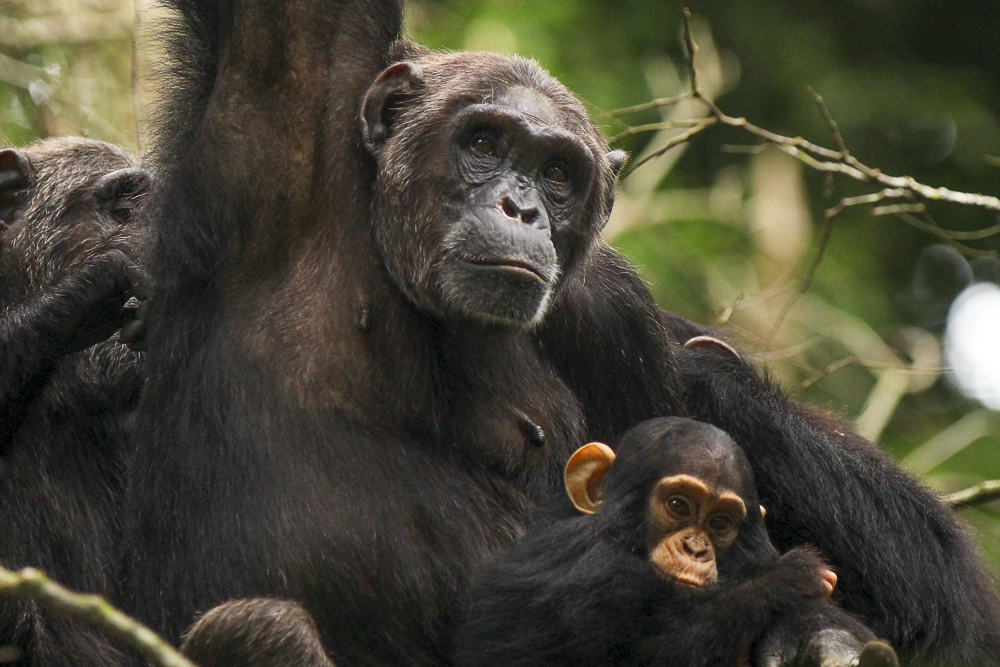
Ngamba Island Chimpanzee Sanctuary offers a range of activities designed to educate visitors about chimpanzees, support conservation efforts, and provide an immersive wildlife experience.

Highlights Ngamba Islsand Chimps tours Luxury Ngamba Island Chimpanzee tracking Primates tours at Ngamba Island Chimpanzee Sanctuary Explore the hidden primates haven at Ngamba Island Full description Boat Ride from the mainland to the Island Chimpanzee Feeding Sessions What Happens: Visitors observe the chimps during their scheduled feeding times (typically 11:00 AM and 3:00 PM).

The chimps are called from the forest to a raised viewing platform, where caretakers provide fruits, vegetables, and enrichment foods. A guide explains each chimp’s personality, history, and behavior. Why It’s Special: You see the chimps up close in a semi-wild environment. Learn about their dietary needs and social dynamics.

2. Behind-the-Scenes Sanctuary Tour A guided walk through restricted areas like the quarantine zone, veterinary clinic, and night enclosures. Staff explain rescue stories, medical care, and rehabilitation processes. Why It’s Special: Gain insight into the challenges of chimpanzee conservation. Meet caregivers and learn about daily operations.

3. Chimpanzee Enrichment Activities Visitors help prepare puzzle feeders, hidden treats, or climbing structures to stimulate the chimps mentally and physically. Watch as the chimps interact with these enrichment tools. Why It’s Special: Hands-on participation in improving the chimps' well-being. See their problem-solving skills in action.

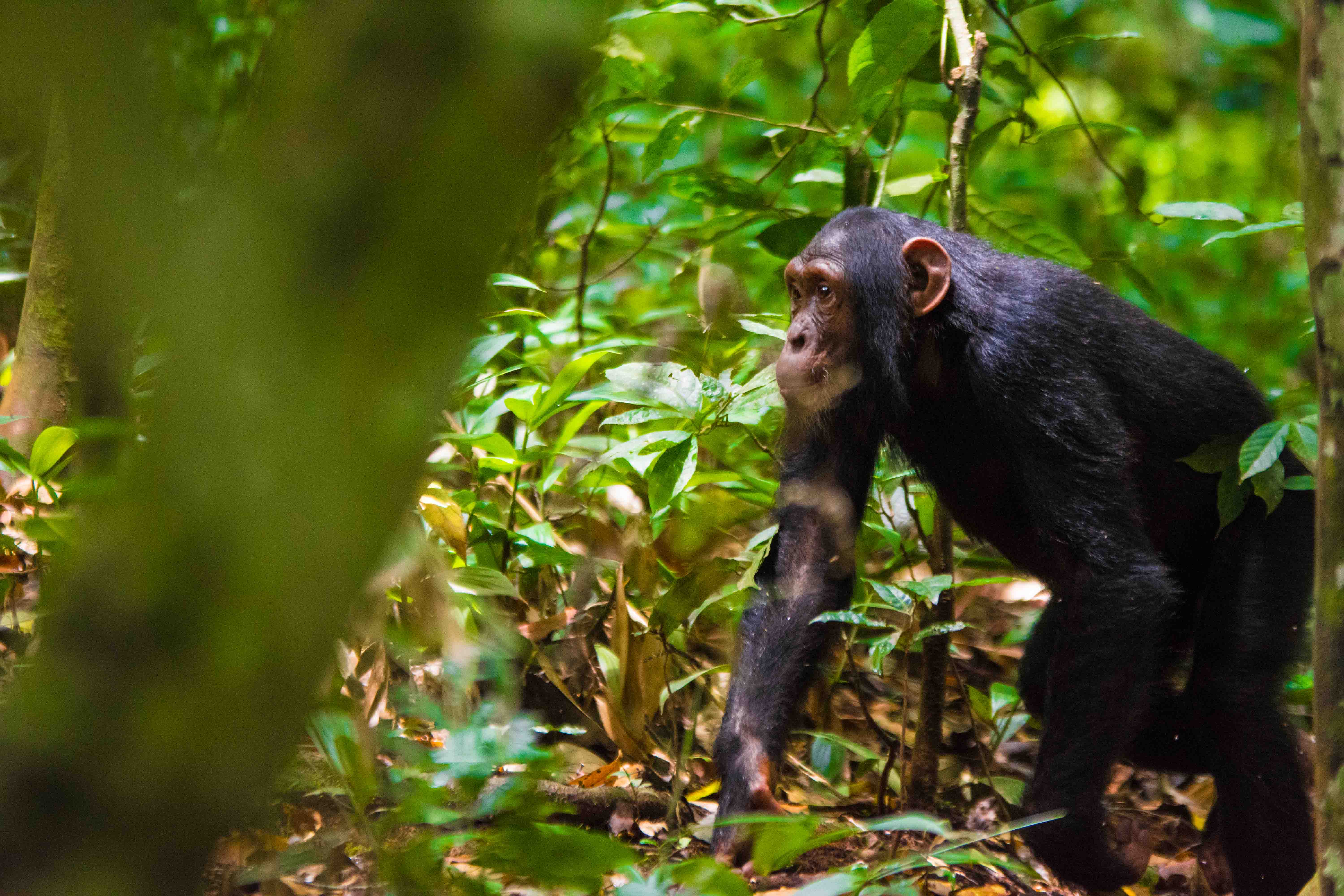
4. Guided Forest Walk (Chimp Tracking) A guided walk along the island’s forest trails to observe chimps in a more natural setting. Learn about their nesting habits, communication, and group hierarchy. Why It’s Special: Unlike zoo visits, you see chimps in a near-wild habitat. Opportunity to spot other wildlife (birds, monitor lizards).

5. Conservation & Education Talks Interactive sessions with primatologists or sanctuary staff on: Threats to wild chimpanzees (habitat loss, illegal trade). Success stories of rescued chimps. How visitors can support conservation. Why It’s Special: Deepens understanding of global chimpanzee protection efforts.

6. Canoeing & Bird-watching (Optional) A peaceful canoe ride around the island’s shores. Spot African fish eagles, kingfishers, and otters. Why It’s Special? Combines relaxation with wildlife viewing. Great for photography enthusiasts.

7. Sunset Boat Cruise (Optional Add-On) A scenic evening cruise on Lake Victoria with drinks (prosecco, cocktails). Views of the island and sunset. Why It’s Special? A luxurious way to end the day. Who Should Visit? Wildlife lovers Families (child-friendly activities) Conservation enthusiasts Luxury travelers See less Includes Transportation both transfers and the Boat Entry fees Bottled Water Lunch
FAQ

Tip: Check if it covers international/internal flights, airport transfers, entry fees to monuments, and all meals or just breakfast.

Tour operators often have stricter rules than hotels. You might lose 25–50% of your deposit if you cancel a month out, and 100% if you cancel within a week.

Uganda is generally a safe and incredibly welcoming country – in the cities as well as in rural areas. Surprisingly it isn’t impaired by its violent past. The country is friendly, and one of the most stable and safe African nations – you’ll be amazed by the cheerfulness of its people.

Uganda can be visited the whole year round. The climate is constant so there is no winter! There are two rainy seasons in central and south western Uganda, from March until May and from September to November when it can rain heavily sometimes, but it is still possible to travel. Only the dirt roads will be muddy in some parts during the wet season, but this can also be part of the real Ugandan experience! The Northern parts have one dry and one wet season.

Yes you do! Check with your local health facility which vaccinations you need. You will most likely need protection from Hepatitis, Yellow fever and TB. Visit your GP or travel clinic 6-8 weeks before departure to ensure you are up to date with all necessary vaccinations. Malaria is present throughout Uganda, so you will need to bring anti-malarial medication.

The local currency in Uganda is the Ugandan Shilling, In most towns, you can withdraw cash from an ATM using your MasterCard. It is advisable to bring some Dollars or EUROs in case the ATM doesn’t work due to power cuts or if there’s insufficient money in the machine! Note: At some ATMs such as Stanbic Bank you can not withdraw more than 250,000 UGSH (100 USD) per day!

Some crime is present but if you exercise basic caution and vigilance you shouldn’t experience any difficulties. While in the city centre avoid items which may draw attention to you such as expensive jewellery. When carrying cameras etc have it concealed and only take it out when you are taking the photos. In the rural areas, things are very calm, crime is low in these parts. Credit-cards: Be careful of your card when you are here, be careful of where you use your card and always be vigil.

Saying hello is very important in every culture! In Uganda, there are more than 60 local languages, but the most common is Luganda, which is spoken in the central part of the country by the Baganda tribe. Hi (informal) – “Ki kati” How are you? – “Oli otya?” I am OK – “Gyendi” Have a nice day – “Siiba bulungi” Good night (on retiring) – “Sula bulungi” Farewell (to one person) – “Weeraba” Farewell (to several people) – “Mweraba” Sir – “Ssebo” Madam – “Nnyabo”

The best advice is always listen to your guide when around wildlife. The rangers can read animal behaviour and know how near you can get on foot or with the vehicle, when an animal is distressed or hungry, or if it is likely to charge.

Uganda is generally a religiously conservative country with a relatively conservative dress code. This means tight clothes and even shorts may be considered inappropriate, especially up-country. Kampala is more liberal.

When visiting someone’s home it’s common behaviour to remove your shoes at the entrance unless your host advises otherwise. Avoid public displays of affection as they are generally frowned upon. Tipping is not a common practice but in the more exclusive establishments, it’s an acceptable practice. While at the Lake Region watch out for mosquitoes. Protect yourself well to protect yourself against malaria. In the urban centres always avoid the people who approach you and make you offers of Rolex

Homosexuality is illegal in Uganda and will result in arrest and possible imprisonment. Same sex couples should act extremely discretely in public.

Everywhere in Uganda, you can buy bottled drinking water. Tap water is not safe to drink in Uganda.

Book This Tour

1
0
Adults (1x) $ 436
Total $ 436

Terms & Conditions

All bookings are subject to availability. Advance payment is required to confirm your seat. Cancellations within 15 days of departure are non-refundable. The company reserves the right to change the itinerary due to weather, transport, or other circumstances. Travellers are responsible for valid documents, health, and insurance. We are not liable for delays, losses, or unforeseen events.

Need Help?

+256780109941
support@natureglowview.com
Available 24/7